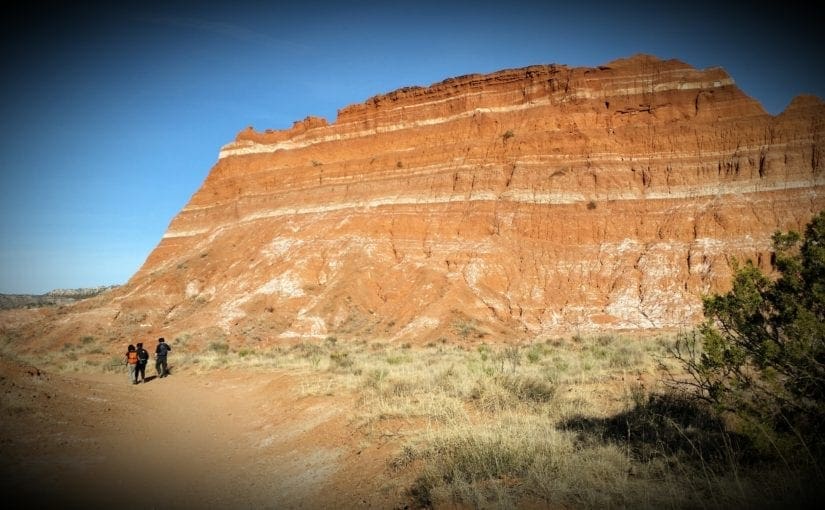
I first heard about Palo Duro Canyon State Park a couple of years ago. It was February, and I wanted a good place to hike for a few days that was out of the cold, but not out of the USA.
Park headquarters at the entry
A couple of hiker friends recommended Palo Duro Canyon, known as the “Grand Canyon of Texas”.
After doing a some follow-up research, I decided that the park sounded perfect for my short solo hiking trip.
Getting the right outdoor gear and clothing can make the difference between a happy hike and a miserable or even dangerous one.
There’s a lot of advice out there on what gear you’ll need and which products are the best.
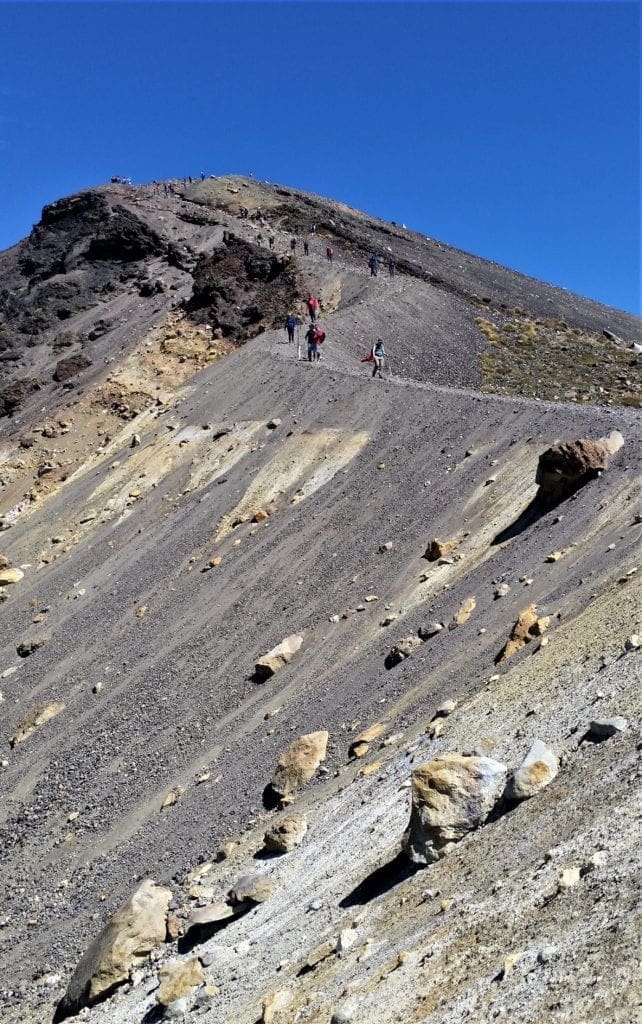
You’ll need some good tread on your boots for this one…
On this page, you’ll find my picks for outdoor gear, clothing, and other stuff you might need for your hiking adventures.
If you’re looking for some travel pointers or ideas for your next adventure, check out my Travel Resourcespage.
For full service active tours at great prices, see myAdventures For You! page.
This page contains affiliate links. If you make a purchase through an affiliate link, I will receive a small payment at no additional cost to you. As an Amazon Associate, and other affiliations, I earn from qualifying purchases. See full Disclosure page here.
Don’t forget your hat!! I have one like this…
Usually people say they won’t endorse anything they’ve not used personally.
That’s a good practice, and I’ve tried to do that as much as possible with my picks for you.
That said, I tend to buy decent quality stuff and hang onto my gear until it falls apart, so I haven’t been able to try out all of these brands yet.
But I’ve read the descriptions and/or looked over them in a retail store, and I feel confident recommending these products to you.
Make your hiking gear wish list!!
HIKING GEAR LIST
My selections below are a result of weeding through many products to give you a sample selection of reliable gear choices for any budget.
For a more in-depth discussion of what to consider for each type of clothing, take a look at my Day Hike Gear Guide.
You can also see some info about less expensive – but still good to have – bits of gear on this post.
NOTE: The link below will take you to the current top sellers for hiking gear from a variety of brands through Amazon. (Click any photo for more info or to purchase. You can also use the Search bar to find more options.)
Decades ago when I was shopping for hiking gear, there wasn’t much available for girls and women that would stand up to actual hiking and sweating on the trail.
Everything seemed to be made of flimsy pastel fabric, and some even had ruffles. Eeeww.
Fortunately, my daughter and I were small enough to be able to get what we needed in the Boys’ department.
Today there are so many options – both in women’s and men’s – for pants, shorts, leggings and even hiking skirts that trying to choose the right ones will make your head spin.
What to Look for in a Pair of Hiking Pants
Ruffles are not recommended for serious hiking.
The main thing you’re looking for is comfort and mobility. (Looking good won’t seem so important if your thighs are chafed raw, so when in doubt go for the larger size!)
Lately I’ve noticed a lot of women and girls hiking in leggings.
I’m personally not a fan of hiking in leggings because non-athletic leggings aren’t breathable, and also I don’t think anyone needs to see that much detail of my butt.
That said, wicking running tights or athletic leggings can work for hiking, especially in cooler weather, as a base layer under other pants.
I also always opt for hiking pants rather than shorts because even in very hot weather, long pants help protect my legs from getting scraped up or bitten by insects – and offer sun protection, too.
A fleece used to only refer to the wool from sheep and lambs, now we have synthetic fleece, too.
MID LAYER (INSULATING)
There are three basic categories of insulating layers: a thin fleece to hike in on colder days, a thin synthetic jacket, and a down puffy jacket for really cold weather.
(I also sometimes top this off with a rain shell too for an extra layer of wind protection.)
Even on a warm day, you should pack an insulating layer.
You’ll need to gauge the outside temperature and how hard you’ll be exercising to know how many layers you want to start with.
When you sweat and then stop for a break, you’ll get cold very fast.
That’s when it’s good to have a jacket or a fleece handy.
I like a fleece layer with a full zipper, so I can just inzip it if I don’t want to take it all the way off.
Base layer is usually thermal or silk long underwear.
BASE LAYER
Your base layer is what you wear right next to your skin. In any season, it should keep your skin as dry as possible (e.g. use a wicking fabric), provide insulation and ventilation.
The purpose of wicking fabric is to pull moisture away from your skin.
Merino wool is a great choice and comes in different weights for any season. It also keeps on insulating you even when it’s wet. As an alternative, synthetic fabrics dry fast so you won’t wear a cold layer on your skin, risking hypothermia.
Which reminds me – stay away from cotton: it’ll get wet and heavy, and is slow to dry.
I’ve also used wicking thermals to double as a base layer and camping jammies.
A rain and wind-proof jacket with a removeable fleece layer is a good choice.
JACKETS
I always carry a lightweight rain jacket in my pack (along with a hat and gloves in case it gets chilly).
This is one of those items that every hiker needs, but does unfortunately wear out over time and has to be replaced.
If you hike in some really wet places with torrential rains, it’s also a good idea to keep rain pants in your pack.
Pick some with zippers running the whole length so you can put them on quickly, without taking your boots off.
My personal picks include a sampling of warmer jackets for cold weather and lighter ones for layering.
Some of the jackets below are waterproof and will also serve as rain jackets.
Each one offers something a little bit different and will fit different budgets and hikes in all types weather.
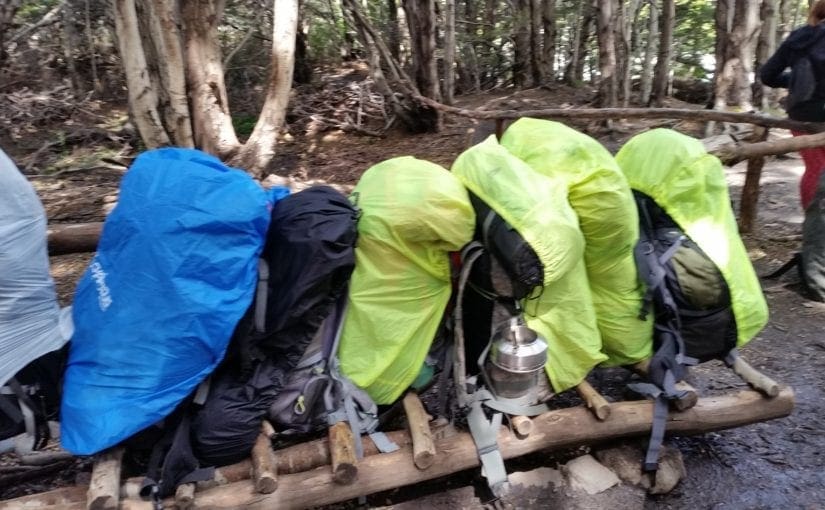
Ideally, you’ll be able to carry your pack when it’s full…
PACKS
High on the list of “must-haves” for your hike is a decent daypack or backpack.
Not only do your packs take care of your gear, they also can make or break your comfort level while out on the trail.
There are countless variety of good packs out there to choose from to get you started.
Be sure to get boots with a good fit.
BOOTS OR SHOES
Hiking boots may be the most important item in your hiker’s kit.
If you don’t choose your boots correctly, you may be in for a lot of pain – and also the expense of getting a new pair! There are lot of choices now for outdoor footgear.
Mmmm… boots are really a better idea. Just sayin.
Trail runners, hiking shoes and hiking boots are all equally good and it really comes down to where you’re hiking, personal preferences, and the weather.
I prefer hiking in boots but I choose as light as possible for the season.
For boots, I prefer mid-rise because I have strong ankles. Waterproof boots are good for wet days and winter hikes.
For shorter day hikes I might pick trail runners or hiking shoes.
If in doubt, it’s better to wear boots – especially when the terrain is rocky, the weather is wet, or you’re carrying a heavy pack.
When you get your boots, make sure you try them on wearing thick socks that you would wear for hiking.
Then walk around a bit, and make sure you have a little bit of room in front: if your toes hit the front, downhill trails will hurt you.
Remember, feet swell when you’re hiking, so make sure the boots aren’t too snug.
For more detail on how to choose the right boots, and more boot recommendations, see this article How to Choose the Best Boots.
ONE LAST THING….
Amazon logo
There are some other Idratherwalk.compages about gear and other hiking stuff that feature Amazon products.
If you’ve been eyeballing something on the pages below, you should take another look to see if anything you want is on sale!
The best food for asthma – or any kind of diet – is healthy food that you want to eat and keep eating for a lifetime!
Even when you know what foods to avoid, it’s hard to always stick with it, especially at family events and Holiday gatherings.
I’ve been looking for the best food for asthma and perfecting my own anti asthma diet for a long time – and my own strategies for being social and still sticking to foods that are good for me.
My earliest memory is being inside an oxygen tent when I was a toddler. (I’m in my 50’s now.)
That’s a lot of years’ living with the disease and learning what kind of diet and exercise helps.
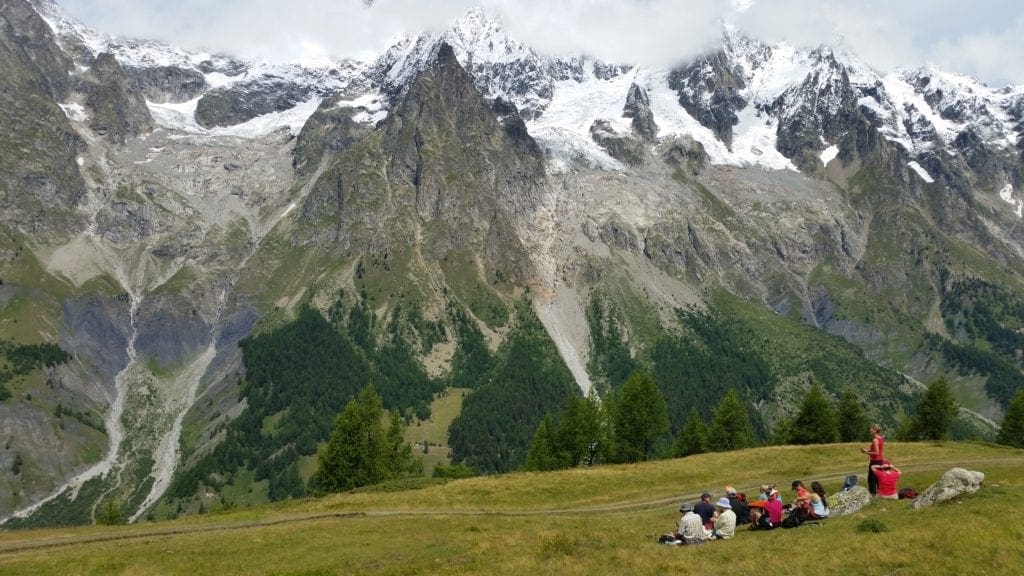
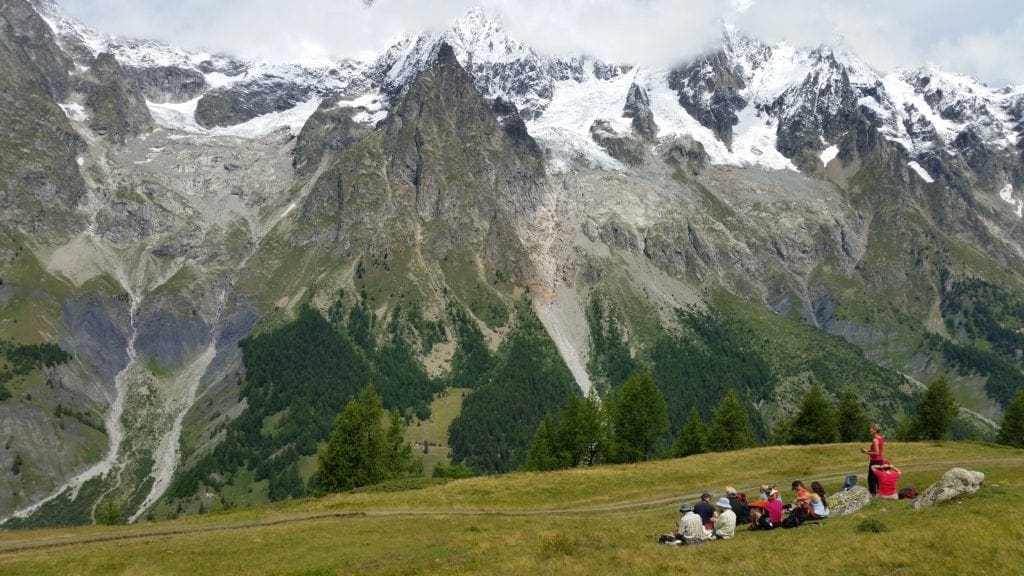
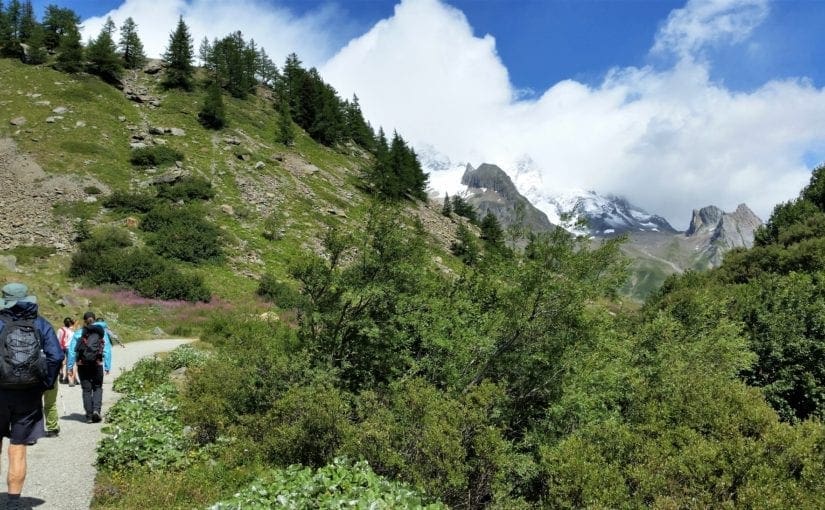
A picnic break during a hike in the Mont Blanc range.
Through research and trial and error, I’ve created a diet that helps me breathe easier.
Over time, thanks in part to my diet, I’ve gone from being a medicated Bubble Girl who couldn’t take a deep breath to a 50- something year old woman who does alpine hiking and leads weekly 6-12 mile hikes.
If you’re looking for additional (non-medical) ways to minimize or even eliminate asthma symptoms, this diet could help you, too.
If you’re ever going to take that big trip you’ve been dreaming about, you’ll need to stash more money – or at least some money! – in your vacation or holiday savings account.
Whether you’re looking at a 1-2 week getaway for the holidays or several months on the trail, these saving strategies add up.
SAVE MONEY FOR TRAVEL
The first thing to do is to figure out how much money you’re going to need – so you know when you’re done saving :-).
Check out my post on planning your multi-day hiking trip for some good ideas on how to plan your trip so you can figure the cost. I’ve also got some info on different lodging options that might help with your estimate.
The closer you are to your vacation date and the less money you have saved already, the more intense your saving activities will need to be.
DO THE MATH
It’s easy to figure total cost if you go on trip with a travel company . They usually have a planned itinerary that includes food, lodging, activities and a guide all in one price.
That can save you time – and sometimes money, too, so it’s worth looking into.
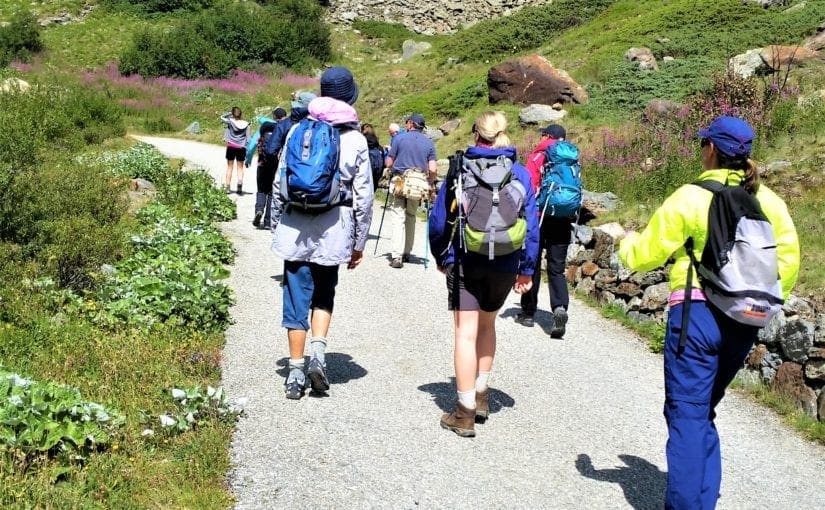
Hiking near Mont Blanc
You could also use a trip cost calculator, like the one I’ve linked to here, to help figure your savings goal.
Once you have a ballpark idea how much money you’ll need and when you want to go, you’ll know how much time you have to pull your travel stash together – that is, the time between right now and your vacation date.
For more of my favorite travel deals and resources, see my Travel Tips & Deals page, and take a look at the G Adventures page, too for some great discounts.
FYI, the photos I’ve included in this post are from some fantastic trips I’ve taken – using money from my own vacation saving fund!
Are you looking for gifts for hikers or other outdoors types, but don’t have the cash to spring for pricey gear and gadgets?
And maybe you waited a little too long to brainstorm something creative and epic?
Don’t worry – sometimes the gifts they’ll really appreciate are the simpler, less expensive things. Practical gifts are easy to find when you’re short on time, too.
I’ve made a short list of ten practical hiking gifts or inexpensive cool gadgets for hiking that would be welcome gifts for the outdoorsy people on your list.
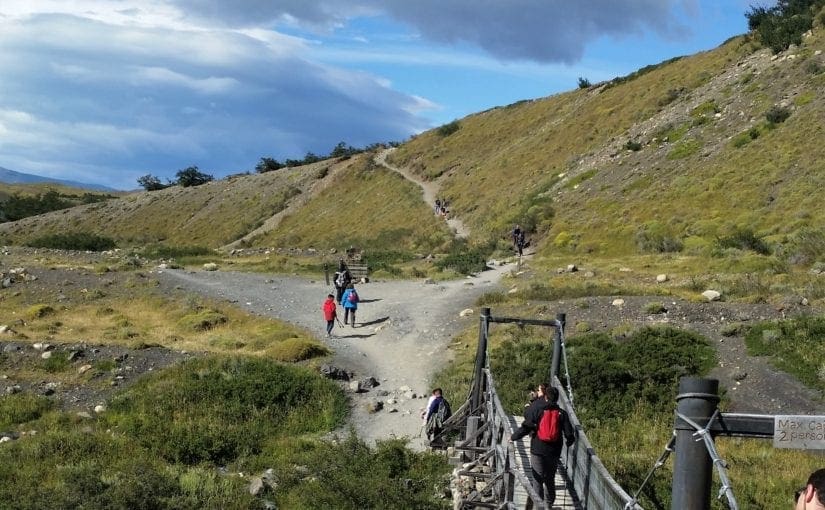
It’s been more than a year since I returned from hiking in Patagonia, spending a week on the W trek in Torres del Paine National Park.
I wrote a very short “I’m baack!” kind of post right after the trip, but now I’m finally getting around to sharing more details.
Hiking the W Trek in Patagonia
Frankly, this is partly just an excuse to post more amazing Patagonia photos!
Be warned, this is an extremely long post, but it’s jam-packed full of useful information:
Different options for getting to Patagonia,
Torres del Paine hiking info,
What you’ll need to bring for the W Trek, and
A day by day description of my trip.
This is all really good info for you if you’re thinking about a similar trip. Anyway….about the place:
Patagonia, Chile is at the southernmost tip of South America, very close to Antarctica. Torres del Paine National Park is located on the eastern edge of the continent.
A couple of weeks ago, when I was searching for outdoor activities for kids, I saw an event posting for a Fossil Dig at the Prairie Ridge Ecostation.
My initial thought was, “Fossils? Digging? I must go!” 🙂
But first I had to find out more about the Prairie Ridge park.
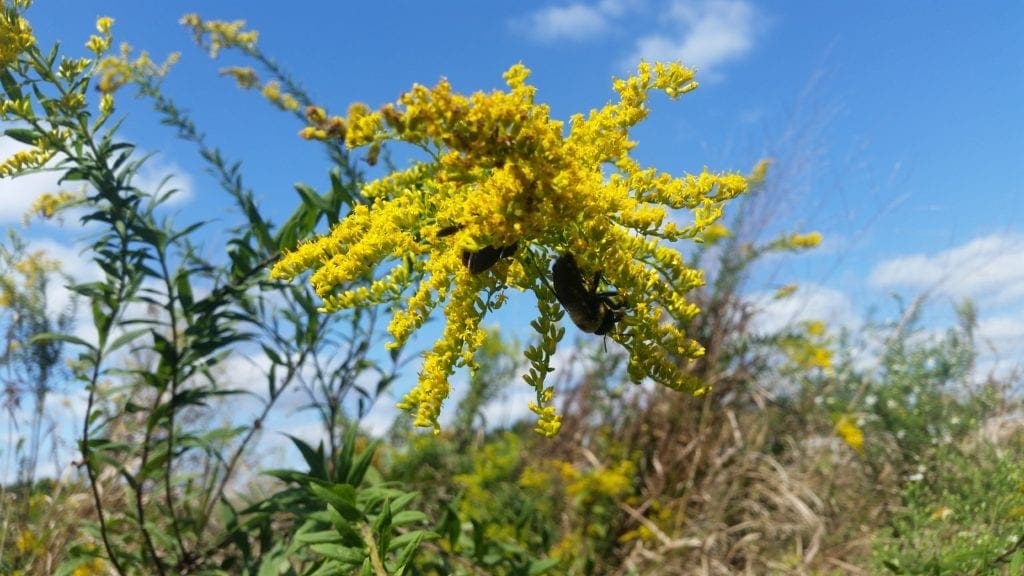
Bees take advantage of the flowering plants in the Prairie habitat
I learned that the Prairie Ridge Ecostation is the west Raleigh branch of the NC Museum of Natural Sciences. The main branch of the Museum was created in 1879, when the State’s agricultural and geological collections were merged.
It’s the largest institution of its kind in the South East and the most visited museum in North Carolina.
The main branch is located in downtown Raleigh and there is a third branch in Whiteville (Columbus County, NC).
If you’ve read any of my other posts, you know that given the choice I most always prefer to be outdoors – hiking, walking, gardening, dining, listening to music and whatever else I can do outside.
Bond Park and Umstead State Park in Cary, NC are a couple of local places that I go to hike, walk and run that are easy to get to and always deliver a really good experience.
Minimum driving, maximum time on the trail is what I’m usually looking for.
Entry sign at Bond Park in Cary, NC
I’ve been using the trails and other park amenities both on my own and with my kids since I first moved to the area in 1996.
Like all of us, the park has changed over time and also – I hope like all of us – has improved with age as well.
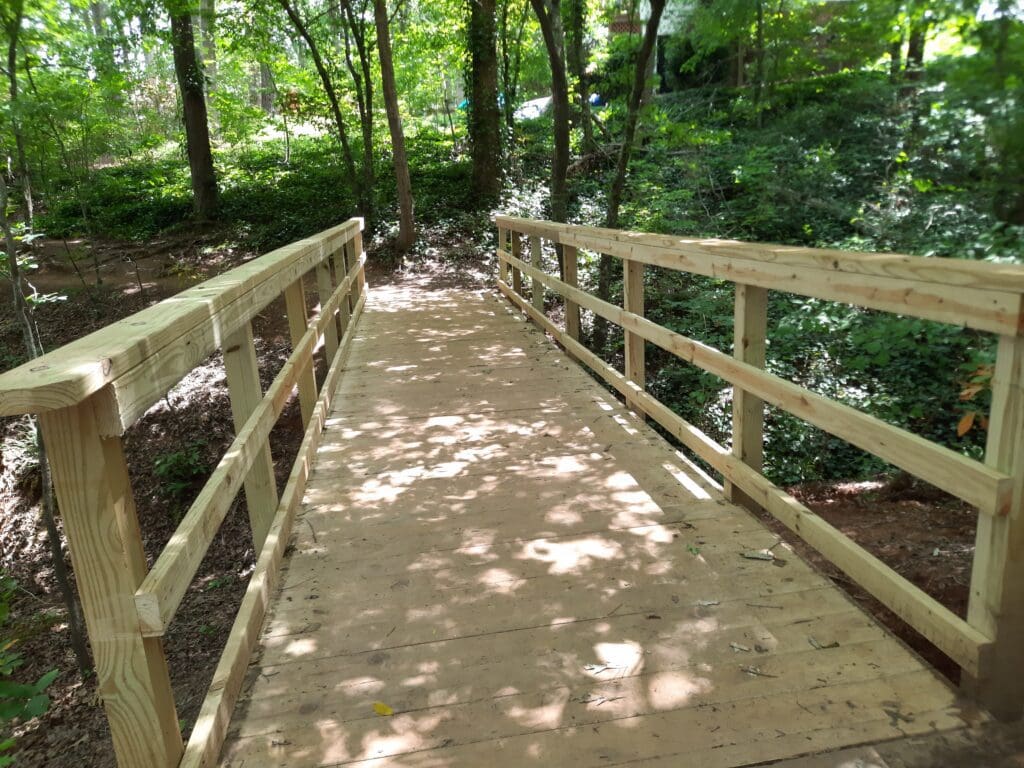
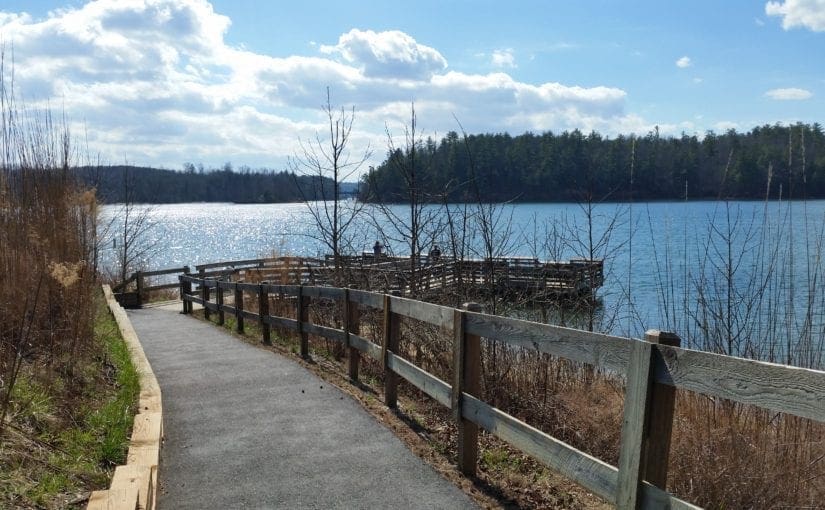
Actually, I recently took an afternoon break to walk Bond Park’s Lake Trail, and found significant improvements to all of the the walkways and bridges along the way!
Updated bridge on the Lake Trail in Bond Park.
Read on to learn about the Lake Trail and other trails and combined routes inside Bond Park.


 There are three basic categories of insulating layers: a thin fleece to hike in on colder days, a thin synthetic jacket, and a down puffy jacket for really cold weather.
  Your base layer is what you wear right next to your skin. In any season, it should keep your skin as dry as possible (e.g. use a wicking fabric), provide insulation and ventilation.


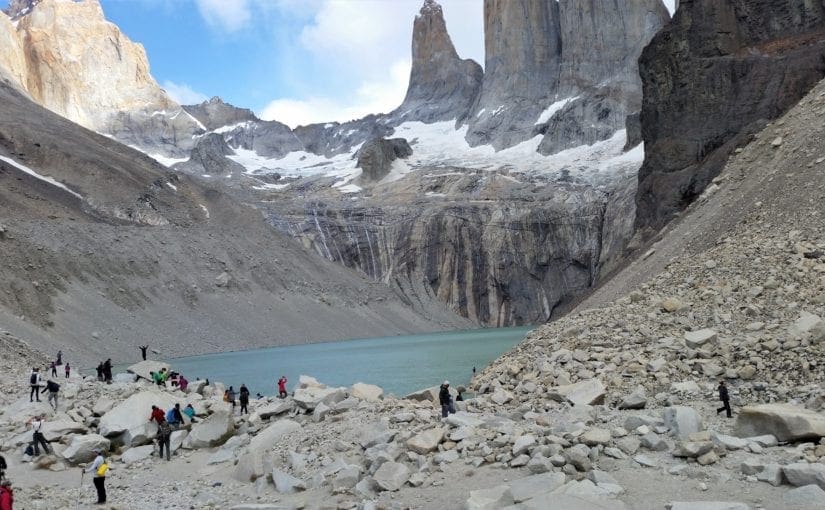
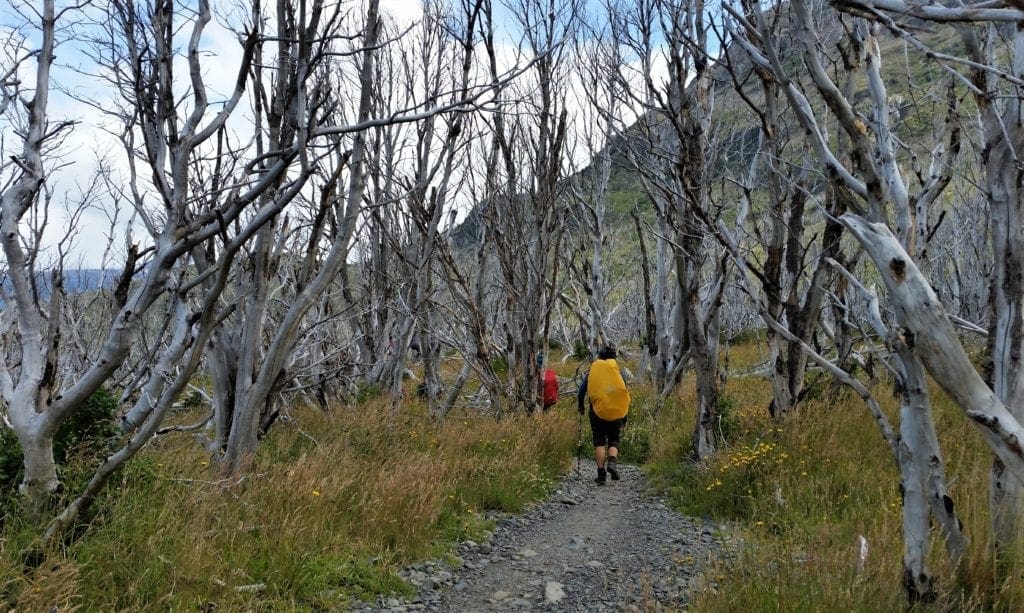
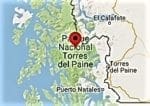 Patagonia, Chile is at the southernmost tip of South America, very close to Antarctica.